Architecture Technical Service - Download Catalog - Contact Us
Home
Products
Solutions
Finishes
Projects
Resources
Info
Video About

Wood & Stone Grain Transfer

Advanced heat transfer technology that permanently prints hyper-realistic wood and stone grain patterns onto aluminum surfaces — combining natural aesthetics with the durability of metal.

Overview

What Is Heat Transfer?

Wood and stone grain transfer, also known as sublimation transfer or heat transfer printing, is a process that uses specially designed transfer paper and high-temperature vacuum to sublimate grain patterns into the pre-coated surface of aluminum panels or profiles.

The process begins with the aluminum substrate receiving a base coating (typically polyester or PVDF), which serves as an ink receptor. A transfer film printed with the desired grain pattern is wrapped around the workpiece, which is then placed in a vacuum bag and heated in a specialized oven. Under heat and vacuum, the ink sublimates (converts from solid to gas) and penetrates the coating layer, becoming permanently embedded.

The result is a grain pattern that is part of the coating itself — not a surface layer. This means the pattern cannot peel, chip or delaminate under normal use. Ballesta's transfer facility handles panels up to 6 meters in length and can process multiple pieces simultaneously for efficient batch production.
Grain Patterns

Available Patterns

A wide range of realistic wood and stone grain patterns to match any architectural style.

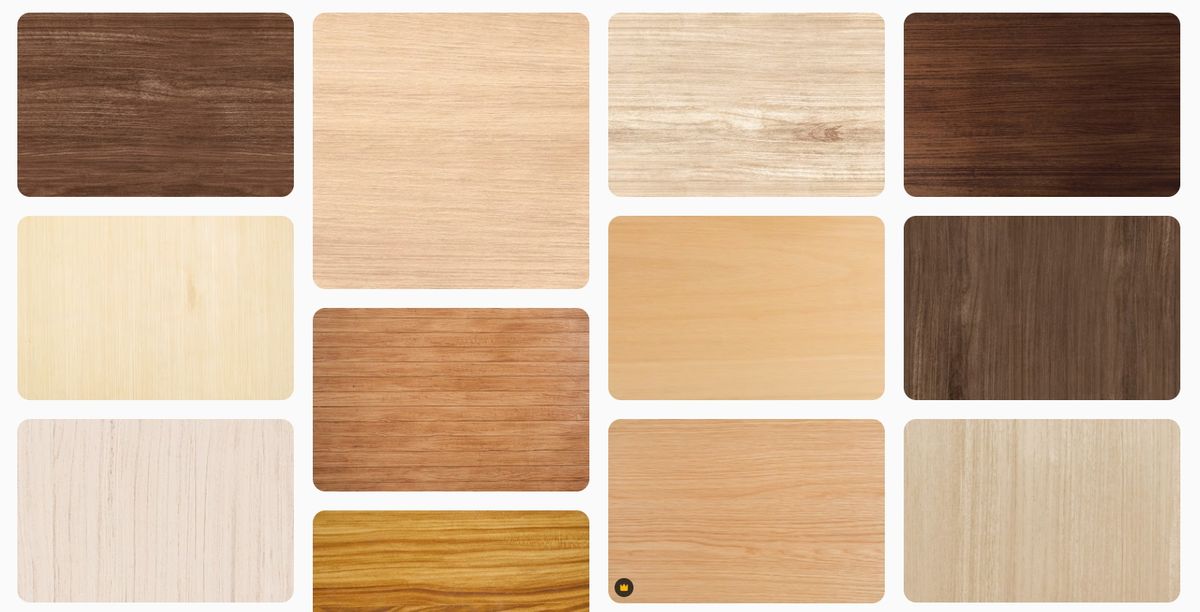
Oak Wood Grain

Wood Grain Patterns

Oak, walnut, mahogany, cherry, teak, bamboo, pine, rosewood, ash, maple and over 50 additional standard wood grain patterns. Custom patterns developed from client samples available.

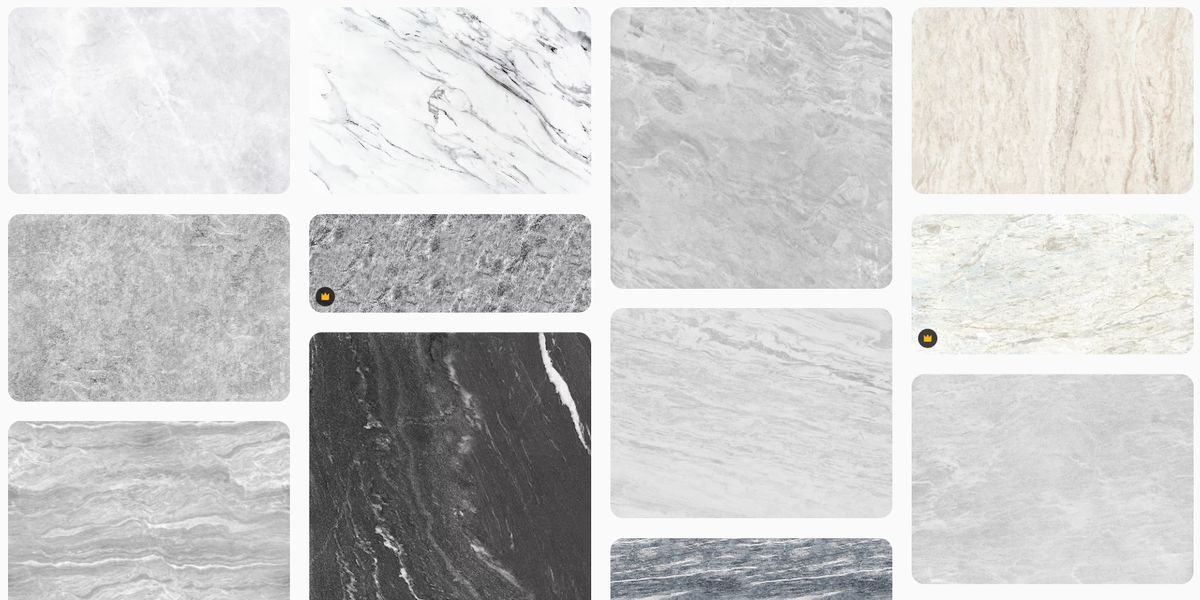
Stone Grain Marble

Stone Grain Patterns

Carrara marble, Calacatta marble, granite, basalt, slate, travertine, sandstone and limestone effects. Large-format pattern repeats available for seamless visual flow across panels.

Custom Patterns

Custom Pattern Development

Clients can supply reference images, material samples or design files for custom pattern development. Our team creates matching transfer films for exclusive project-specific patterns.

Technical Specs

Heat Transfer Specifications

ParameterSpecification
SubstratePre-coated aluminum (polyester or PVDF base coat recommended)
Transfer Temperature180 – 220°C
Transfer Time10 – 25 minutes (depending on profile complexity)
Maximum Part Size6,000 mm (L) x 1,200 mm (W)
Pattern RepeatStandard 600 – 1,200 mm; custom available
UV Resistance500+ hours QUV, ΔE < 3.0 with clear top coat
AdhesionNo delamination — pattern is within coating, not on surface
Surface TextureSmooth or with embossed texture (synchronized grain + feel)
Clear Top CoatOptional for enhanced scratch and UV resistance
Aging Performance5 – 10 years outdoor (with top coat), 15+ years interior
Key Advantages

Why Choose Grain Transfer

Photorealistic Reproduction

High-definition transfer technology captures every detail of natural wood grain and stone veining with photographic accuracy. The result is virtually indistinguishable from real wood or stone.

Permanent Bond

The sublimation process embeds the pattern into the coating layer. Unlike laminated films, there is no adhesive layer that can fail or edges that can lift over time.

Outdoor Durability

With a protective clear top coat, heat-transferred patterns can withstand years of outdoor UV exposure without significant fading. Ideal for exterior ceiling and facade applications.

Full 3D Coverage

The vacuum wrapping process ensures patterns transfer to all visible surfaces of complex profiles including edges, grooves and recesses. No visible transition lines on corners.

No Real Wood/Stone Cost

Aluminum with grain transfer costs a fraction of natural wood or stone while offering superior fire resistance, structural stability and lower maintenance requirements.

Embossed Texture Option

Synchronized embossing creates tactile surface texture that matches the visual grain pattern, providing a realistic touch-and-feel experience indistinguishable from natural materials.

Applications

Typical Applications

  • Hotel & Resort Architecture: Wood-grain ceiling panels and wall cladding for lobbies, corridors and guest rooms
  • Retail & Showroom: Stone-effect display fixtures, wall panels and column covers for boutique environments
  • Office Interiors: Executive office wall panels, reception area ceilings and feature walls with premium wood finishes
  • Residential Projects: Balcony ceiling panels, privacy screens and interior feature walls in natural color palettes
  • Cultural & Hospitality: Wood-grain baffle ceilings in restaurants, museums and gallery spaces
  • Exterior Soffits: Covered walkway soffits and canopy ceilings requiring wood-like aesthetics with metal durability
FAQ

Frequently Asked Questions

How durable is wood grain transfer on aluminum for outdoor use?

Ballesta's heat transfer wood grain uses UV-resistant inks and a protective clear top coat that provides excellent weather resistance. When applied over a PVDF or polyester base coat, the finish can withstand 5-10 years of outdoor exposure with minimal fading. For maximum outdoor durability, we recommend a final clear protective coating.

What wood grain patterns are available?

We offer a wide selection including oak, walnut, mahogany, cherry, teak, bamboo, pine, rosewood and more. Custom patterns can also be developed from client-supplied samples or design references.

What is the difference between heat transfer and PVC lamination?

Heat transfer sublimates the grain pattern into the coating layer through high temperature and pressure, creating a permanent bond that will not peel or delaminate. PVC lamination physically bonds a pre-printed film to the surface. Heat transfer is more durable for exterior use and edges will not lift.

Can stone grain patterns match specific natural stone finishes?

Yes. We offer patterns matching popular natural stones including Carrara marble, Calacatta marble, granite, basalt, slate and travertine. Custom stone grain patterns can be developed from client reference images.

What base coat is required for heat transfer printing?

Heat transfer requires a pre-coated base layer on the aluminum substrate, typically polyester or PVDF. The base coat acts as an ink receptor during the sublimation process. For exterior applications, a PVDF base coat + clear top coat is recommended for maximum UV resistance. For interior use, polyester base coat provides excellent results at a more economical price point.

How does the cost of grain transfer compare to anodizing or powder coating?

Heat transfer grain printing typically carries a premium over standard solid-color powder coating due to the additional transfer film, vacuum wrapping and processing steps. It is generally comparable to premium finishes like anodizing, though pricing depends on pattern complexity, batch size and whether embossed texture is required. For large production runs, the per-unit cost decreases significantly. Contact us for a quote based on your specific project requirements.

Looking for Products with Wood or Stone Grain Finish?

Tell us what product you need — ceiling panels, baffles, wall cladding or custom fabrication — and your pattern preferences. We'll prepare grain samples and a quotation within 24 hours.

Inquire About Grain Transfer Products
WhatsApp Call