Architecture Technical Service - Download Catalog - Contact Us
Home
Products
Solutions
Finishes
Projects
Resources
Info
Video About

Anodizing

An electrochemical process that transforms the aluminum surface into a dense, protective oxide layer — harder than the base metal itself, with a natural metallic aesthetic that no coating can replicate.

Overview

What Is Anodizing?

Anodizing Process

Anodizing is an electrochemical process that thickens the naturally occurring oxide layer on aluminum, creating a controlled, dense and hard protective surface. Unlike coatings that are applied on top of the metal, anodizing converts the aluminum surface itself into a durable aluminum oxide (Al&sub2;O&sub3;) layer that is integral with the substrate.

Ballesta sources premium anodized aluminum products through long-standing partnerships with established international brands that specialize in anodizing technology. We procure their quality-guaranteed anodized coils and sheets, then process them through our own fabrication lines to create finished architectural products. This partnership model allows us to deliver the highest anodizing quality without maintaining our own anodizing line.

Our partners operate state-of-the-art sulfuric acid anodizing (Type II) facilities with precise control over voltage, temperature, acid concentration and processing time, ensuring consistent 5-25 micron oxide layers with excellent corrosion protection and color absorption. The resulting finish has a distinctive metallic luster that cannot be replicated by any paint or powder coating, making it a preferred choice for high-end architectural projects.

Colors

Available Colors

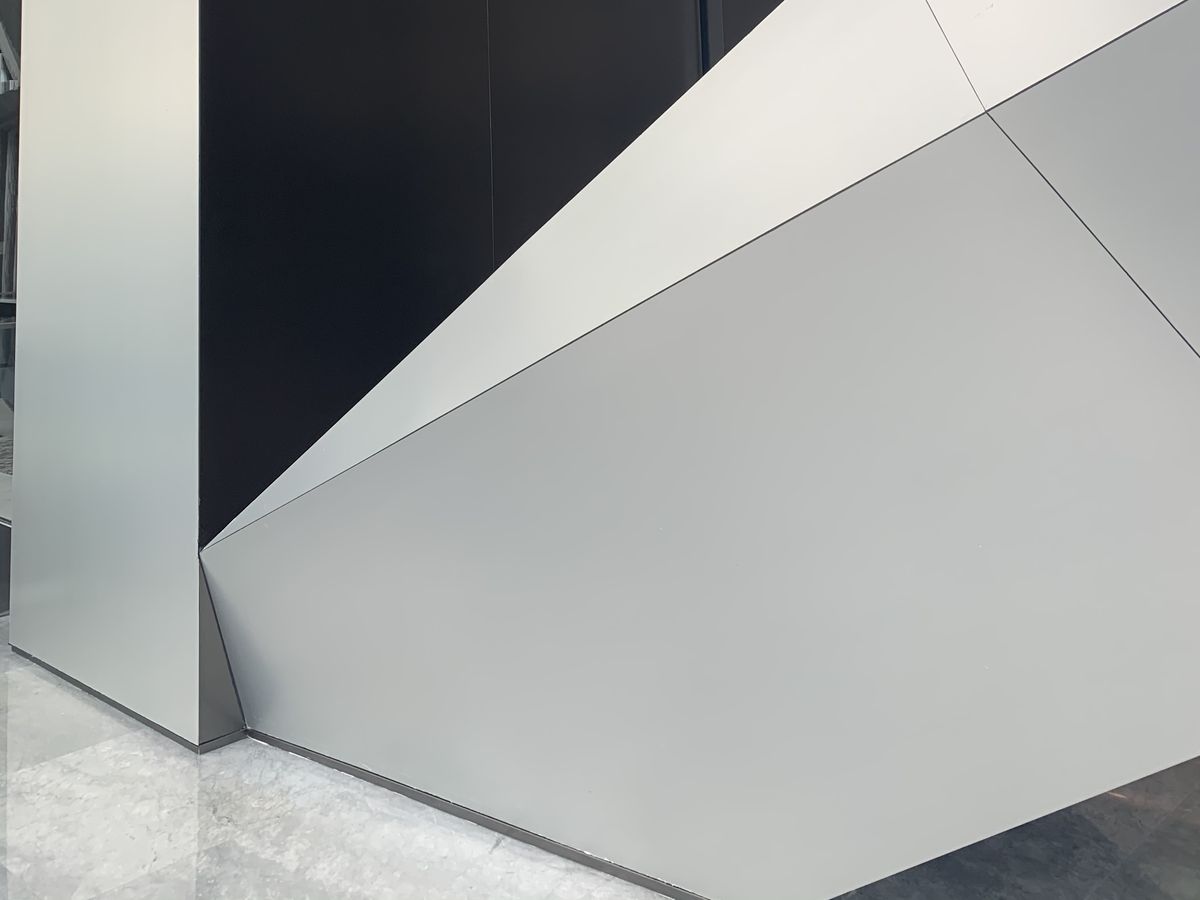
Natural Silver (Clear)

The classic anodized finish that preserves aluminum's natural metallic luster. The most popular choice for architectural applications, providing a bright, clean appearance with minimal color variation.

Bronze & Gold

Electrolytic coloring creates deep, rich bronze tones from light champagne to dark bronze, plus copper and gold shades. The color is deposited within the oxide pores, resulting in excellent UV stability.

Black & Dark Tones

Deep architectural black achieved through electrolytic coloring or organic dyeing. Black anodized aluminum provides dramatic contrast and is widely used in contemporary architectural design.

Technical Specs

Anodizing Specifications

ParameterSpecification
Anodizing TypeSulfuric acid anodizing (Type II), hard coat (Type III) on request
Coating Thickness5 – 25 µm (standard); up to 50 µm (hard coat)
Color OptionsNatural silver, champagne, bronze (3 levels), copper, gold, black
Hardness200 – 400 HV (oxide layer); up to 600 HV (hard coat)
Melting Point2,050°C (oxide layer, vs 660°C for base aluminum)
Corrosion ResistanceExcellent — no rust or oxidation (aluminum oxide is inert)
Salt Spray1,000+ hours (ASTM B117)
Maximum Part Size6,000 mm (L) x 1,200 mm (W)
SealingHot water or nickel acetate sealing
Electrical InsulationUp to 800V breakdown voltage at 25 µm
Dimensional GrowthApprox. 50% inward / 50% outward from original surface
UV StabilityExcellent — anodized color does not fade under sunlight
Key Advantages

Why Choose Anodizing

Exceptional Hardness

The anodized layer (200-400 HV) is significantly harder than the base aluminum and harder than most paints and powder coatings. Hard coat anodizing can reach 600 HV — approaching the hardness of hardened tool steel.

Superior Corrosion Protection

The anodized layer is chemically inert and provides complete protection against atmospheric corrosion, salt spray and most chemical environments. Unlike paint, there is no coating to chip or peel.

Natural Metallic Aesthetic

Anodizing preserves the distinctive metallic look and feel of aluminum. The finish has depth, clarity and a subtle luster that cannot be achieved with any applied coating. Touching an anodized surface feels like touching metal.

UV Stable Color

Colors in anodized aluminum are lightfast because they are either inherent in the oxide structure (electrolytic coloring) or sealed within the pores. Anodized finishes do not chalk, fade or yellow under prolonged sun exposure.

Low Maintenance

Anodized surfaces are easy to clean with water and mild detergent. The hard, non-porous surface resists staining, graffiti and atmospheric dirt accumulation. No re-coating or re-painting ever required.

Environmentally Clean

Anodizing is a clean, sustainable process. The electrolyte bath is recyclable, the process produces no VOCs, and the finished product can be fully recycled at end of life without any coating separation required.

Applications

Typical Applications

  • High-End Facade Cladding: Premium building envelopes where the distinctive metallic look defines the architectural identity
  • Interior Luxury Finishes: Elevator interiors, lobby wall panels, reception desks and executive office features with premium metallic appearance
  • Column Cladding: Striking column covers and structural elements finished in bronze, gold or black anodized tones
  • Retail & Showroom: Display fixtures, shelving and wall panels requiring a premium, tactile metallic finish
  • Architectural Signage: Nameplates, building directories and identification signs with engraved or etched text on anodized background
  • Transportation Hubs: Airport and railway station interior finishes where durability and low maintenance are critical
Texture Reference

Anodized Texture Swatches

Browse our collection of anodized aluminum textures for architectural metal applications. Click any swatch to view the full texture pattern in detail. Contact us for physical sample cards.

Brushed
Embossed
Satin

Need a specific anodized texture for your project? Contact us for a custom finish match.

Request Custom Anodized Finish

Looking for Products with Anodized Aluminum Finish?

Tell us what product you need — ceiling panels, wall panels, baffles, column cladding or custom profiles — and your anodizing color and texture preferences. We'll provide finish samples and a quotation within 24 hours.

Inquire About Anodized Products
FAQ

Frequently Asked Questions

What is the difference between anodizing and powder coating?

Anodizing is an electrochemical process that converts the aluminum surface into a durable aluminum oxide layer. It becomes part of the metal itself rather than a coating applied on top. Powder coating applies a polymer layer to the surface. Anodizing maintains the metallic look and feel of aluminum with superior hardness, while powder coating offers unlimited color options and thicker coating.

What colors are available for anodized aluminum?

Natural silver (clear), champagne, light bronze, medium bronze, dark bronze, copper, gold, black, and stainless steel gray are standard colors. Custom colors are possible through organic dyeing or electrolytic coloring, but the color palette is more limited compared to painted finishes.

How thick is the anodized layer?

Ballesta offers anodizing thickness from 5 to 25 microns. For interior architectural applications, 5-10 microns is sufficient. For exterior applications and high-traffic areas, we recommend 15-25 microns for maximum protection and durability.

Does anodizing change the dimensions of the aluminum?

The anodizing process grows the oxide layer approximately 50% into the substrate and 50% outward from the original surface. For 20-micron anodizing, the dimensional change is approximately +10 microns per surface. This must be considered for precision-fit components.

Why does Ballesta source anodizing from partner suppliers?

Ballesta focuses on metal fabrication and finishing where we have core expertise. Anodizing is a specialized electrochemical process requiring dedicated line investment. By partnering with established international anodizing specialists, we offer the highest quality anodized surfaces without compromising our manufacturing focus, while passing quality and cost benefits to our customers.

Can anodized aluminum be cut and fabricated after anodizing?

Ballesta handles anodized coils and sheets from our partners through our own cutting, forming and fabrication lines. For best results, we recommend cutting and machining before anodizing, as the oxide layer is brittle and cut edges will expose bare aluminum. We can provide edge treatment options for re-anodizing exposed cut edges on small parts.

WhatsApp Call